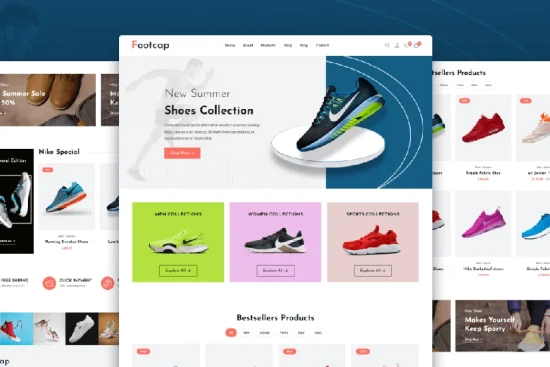
Product image optimization is one of the most important aspects of e-commerce, yet it is often overlooked. While sellers focus on pricing, descriptions, and keywords, the truth is that images carry the highest influence on customer decisions. A product image is the first thing a shopper notices, and in many cases, it determines whether they continue browsing or exit the page.
This guide explains what product image optimization means, why it matters, and the essential steps required to implement it correctly. The aim is to help sellers, catalog teams, and marketplaces maintain consistent, high-quality visuals that improve search visibility, conversions, and customer trust.
What Is Product Image Optimization?
Product image optimization is the process of preparing and enhancing product images so that they load fast, meet platform guidelines, look professional, and provide accurate visual information to the buyer. It includes improving resolution, adjusting file size, selecting the correct format, optimizing backgrounds, and ensuring the layout follows marketplace standards.
The goal is simple: present the product in the clearest and most reliable way while ensuring the image performs well across all devices.
Why Product Image Optimization Matters
Enhances First Impressions
A customer takes only a second to evaluate whether an image looks trustworthy. Clear, well-lit, correctly formatted pictures create strong first impressions and encourage deeper engagement.
Improves Search Rankings
Optimized images contribute to faster page loading speeds, which boost SEO. Search engines favor pages that load quickly and display properly on mobile devices. In e-commerce, speed directly affects visibility.
Reduces Product Returns
When images accurately represent the product, customers know what to expect. Misleading, poorly lit, or low-quality images often result in disappointment and higher return rates.
Strengthens Marketplace Compliance
Most marketplaces have extremely strict image rules. Optimized images reduce the risk of rejection and help listings go live faster.
Key Elements of Product Image Optimization
Product image optimization involves several interconnected steps. Each one plays a role in improving both quality and performance.
1. Choosing the Right Image Format
Selecting the correct file format is a foundational step.
- JPEG is best for standard product photos with gradients and textures.
- PNG is suitable for graphics, logos, or images requiring transparency.
- WebP is a modern format that delivers high quality with smaller file sizes.
- AVIF offers excellent compression and clarity, though support is still growing.
Using a compatible and efficient format ensures images appear crisp without slowing down the website.
2. Maintaining High Resolution
A product image must be clear, sharp, and detailed. Marketplaces commonly recommend a resolution of at least 1000 × 1000 pixels. Higher resolutions help retain clarity when zooming in, which many customers rely on to inspect product details.
Low-resolution images create mistrust and often result in automatic rejection.
3. Correcting File Size
Large, uncompressed images slow down page performance. The goal is to reduce file size without losing visual quality.
Image compression tools or automated platforms help shrink file sizes while keeping the image sharp. Proper optimization keeps load times fast, especially for mobile users.
4. Optimizing Backgrounds
Most marketplaces require a plain white or light-colored background for the primary image. This helps focus attention on the product and maintains a clean, uniform appearance across listings.
Unapproved backgrounds, unnecessary props, or distracting surroundings lead to rejection. Automated background removal tools are often used to ensure consistency and compliance.
5. Ensuring Proper Lighting
Lighting affects the perceived quality of the product. Photos should be taken with even, diffused light that avoids shadows, glare, or color distortion. Proper lighting brings out true colors and clarity, making the image more reliable for customer evaluation.
Dim, uneven, or overly edited lighting weakens the quality of the listing.
6. Maintaining Consistent Visual Standards
Catalog consistency is essential. All images for a product should use the same background, lighting style, dimensions, and framing.
Inconsistent visuals give an unprofessional impression and confuse buyers. Marketplaces expect a cohesive set of images that follow the same style throughout.
7. Following Marketplace Guidelines
Each marketplace defines its own image specifications. These include size, margin spacing, file type, background color, and the placement of the product within the frame.
Failure to follow these rules leads to rejections. Strict adherence to platform guidelines ensures a smooth approval process.
8. Adding Alt Text for SEO
Alt text is the text description attached to an image. It helps search engines understand what the image represents. Proper alt text improves organic visibility and ensures accessibility for visually impaired users.
Alt text should be clear, descriptive, and relevant, without unnecessary keywords.
Advanced Techniques for Optimization
Modern e-commerce teams often use advanced methods to further enhance image quality.
AI-Based Image Enhancement
Artificial intelligence tools automatically correct lighting, sharpen edges, remove noise, and improve clarity. This brings uniformity across large catalogs and speeds up the editing process.
Automated Moderation
Automated moderation systems check for defects such as low resolution, incorrect background, inappropriate content, or guideline violations. This reduces manual review time and ensures only compliant images move forward.
Automated Workflows
End-to-end workflows help prepare images in bulk. They handle resizing, background cleanup, compression, and quality checks all at once, ensuring consistency at scale.
Platforms like Stillsweb use automated pipelines to reduce rejection rates and help sellers maintain visual standards across thousands of listings.
Common Mistakes to Avoid
- Uploading low-quality or blurry images
- Ignoring size and format requirements
- Using inconsistent backgrounds or lighting
- Overediting or applying unrealistic filters
- Cropping the product incorrectly
- Adding text, watermarks, or graphics on top of images unless permitted
- Compressing an image too heavily, resulting in artifacts
Avoiding these mistakes is essential for maintaining professional, marketplace-ready visuals.
Final Thoughts
Product image optimization is a fundamental requirement for e-commerce success. It directly influences how customers perceive products, how fast pages load, and how well listings perform. When done correctly, optimized images create clarity, reduce buyer hesitation, and improve overall marketplace compliance.
With advancements in automation, sellers and marketplaces now have access to tools that ensure consistent quality without manual effort. Clean, optimized images build trust, enhance discoverability, and ultimately strengthen conversions.